Recent Issues

Read Online


Subscribe
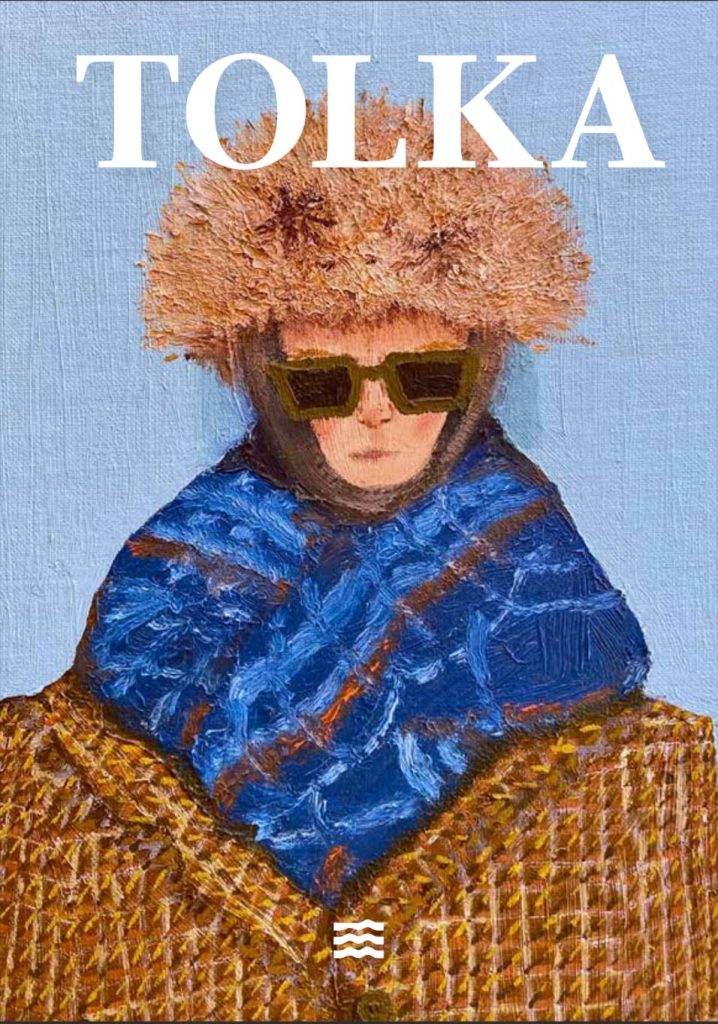
Get the latest issue delivered to your door, and access to our digital archive.
You can subscribe to Tolka for €22 a year (with free postage across Ireland).
Subscribe NowRecent Podcasts
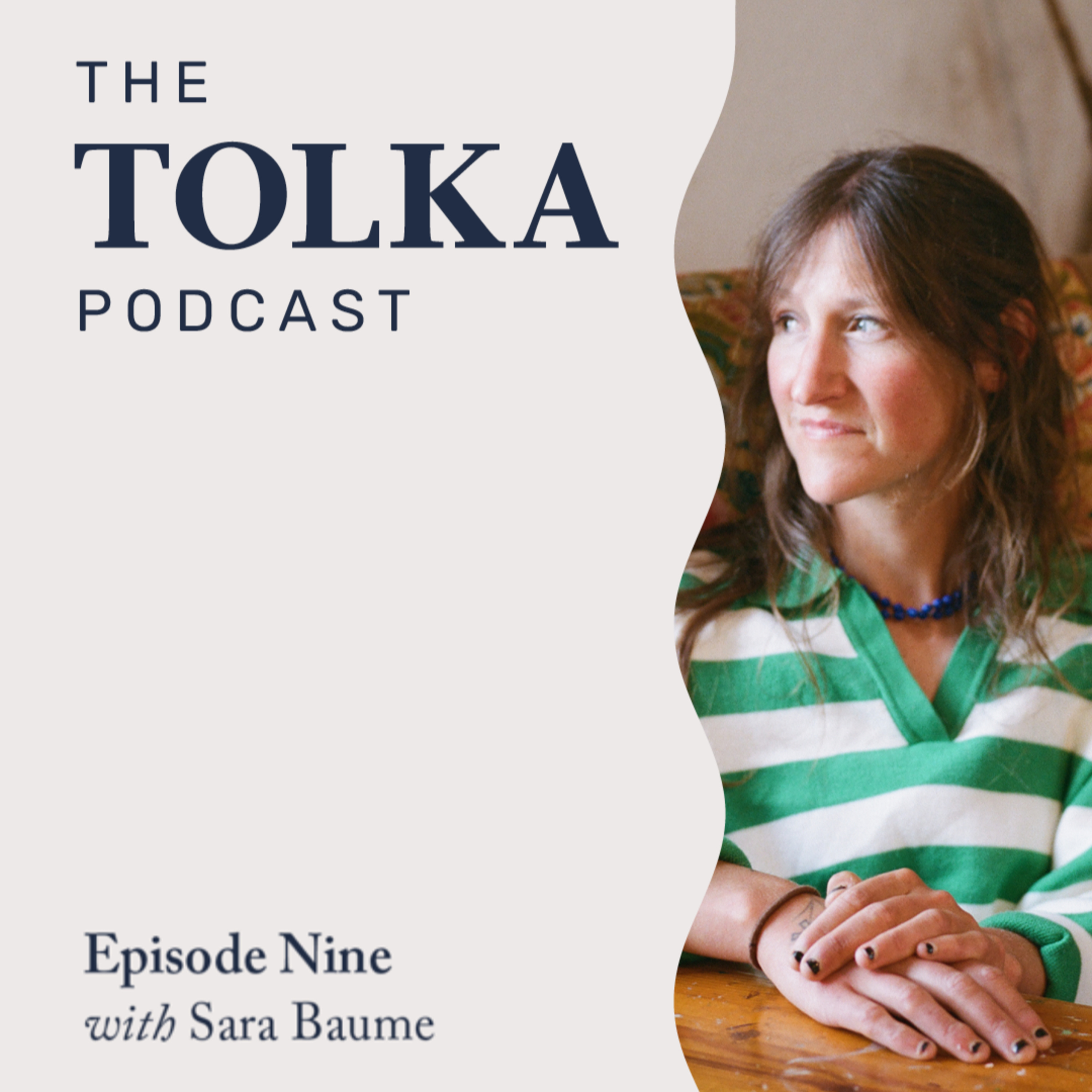
Episode Nine | Sara Baume
The Tolka Podcast
0:00
48:52
From The Archive
Ana Kinsella | Tolka, Issue One, Feb 2023 Entry My first home in London is a houseshare with five Icelandic artists. The flat is a maisonette with a small garden on a Shoreditch housing estate, and the garden is neglected, with a fringe of bamboo taller than any of us. I find it through a friend of a friend and take the room without viewing it. These facts are enough to make me feel legitimate and deft at being in the city, despite my newness. I’m a natural. It is not my first time living away from home, but it is the first time that it feels meaningful, a page turned rather than merely interrupted. I have a job, sort of, and a course of study, and people to have dinner with at the wide pine table whose grooves and knots I can still feel under my fingers. The East...
Brecken Hancock | Tolka Issue Two, August 2024 I take my phone to bed – my husband on one side, my cell on the other. I face my cell. * It starts with a skim of scalp. The cadaver of a Texan murderer who died of lethal injection was encased and frozen in gelatine, then ground down on the axial plane, one millimetre at a time. Photographs of his 1,871 cryosections compile like leaves of a book; a stack of rectos; a secret turf of nerves (stubs of axons and dendritic miles); atrial chambers; a bog of colon; fat; furls of brain; and tendons, imprecisely milled, smeared across the surfaces. * He wasn’t sliced. In a university lab in Denver, a motorised, rotating disk of sandpaper scoured him away, turning him to frozen, cadaveric dust. * Each milling of his corpse revealed an aerial view of viscera – a slab...
The Hanged Man I associate the tarot with my early teenage years, a particularly disempowered time when there was nothing to do but when every moment was saturated with an indefinable yearning. At fourteen, I couldn’t even get a job as a lounge girl in the local pub, the means by which most of my friends gained some independence, working there after school and sneaking drinks with the barmen after closing. I wandered around town with my printed-out CVs, dropping them in front of managers who binned them as soon as I left the shop. In those days, time stretched and warped around us. We were waiting for something external to come and change our lives. The tarot promised us a message from the beyond. The Hanged Man smiles as he hangs upside down. I often drew this card as a teenager, and his expression troubled me. That (ironic?) smile...
Catherine Hearn | Tolka, Web Only, July 2025 Having finished their new short story collection in almost one sitting, I was very glad to have the opportunity to speak with Liadan Ní Chuinn about their writing. Every One Still Here (2025) published by The Stinging Fly Press in March and Granta Books in July, has already been described by Kevin Power ‘as among the best Irish books of the 21st century’. The collection is tied together by themes of grief and haunting; the ways that the past is ever-present, as the title alludes towards. These are stories of fragile, palpable lives being played out in a supposedly post-Troubles North of Ireland. In ‘We All Go’ a young medical student grieves for his father and attempts to unearth fragments of the life he lived and the violence he endured at the hands of the British state. In ‘Russia’, complex issues of...